Amsterdam-Zuidoost | Area Development
‘Zuidoost is becoming a destination in its own right’
Its Bakker | CBRE
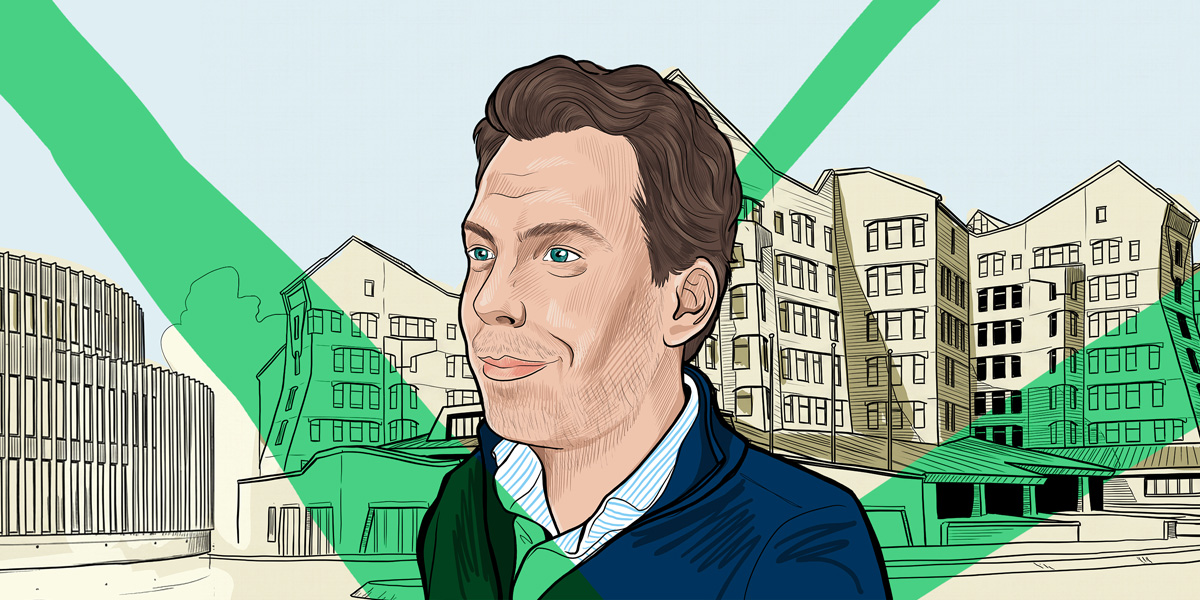
According to Its Bakker, senior director of development management at CBRE, Amsterdam-Zuidoost is at a tipping point. Much of the area is still designed around large flows of visitors moving as efficiently as possible between offices, shops, and event venues. ‘The arrival of large numbers of new homes creates an opportunity to broaden and enrich what the area has to offer, building on the strengths that are already here.’
In that sense, Zuidoost is evolving from somewhere you go for a specific reason into a destination where you want to spend time. Not just to live or work, but to stay and enjoy the area. Its even sees the potential for Zuidoost to become Amsterdam’s second urban center, with a distinct identity of its own. He believes the rich culture that has developed here over decades gives the area an appeal that extends far beyond Amsterdam itself.
‘A few years from now, Zuidoost should be a place where you can easily spend an entire day: shopping at Amsterdamse Poort in the morning, relaxing in Hondsrugpark in the afternoon, having dinner, and then going to a concert, movie, or game in the evening,’ he says. ‘That also means developing the evening and nightlife that the area is still missing today.’
From visiting to staying
That requires a shift from moving people through the area to creating places where they want to stay, Its emphasizes. Streets, paths, and public squares need to do more than accommodate large numbers of people. They should also invite people to walk, relax, and connect with one another. Green space can play an important role in tying the area together. ‘Zuidoost already has a lot of green space. Extending that into new developments can help neighborhoods connect more naturally.’
‘Zuidoost is evolving from somewhere you go for a specific reason into a destination where you want to spend time.’
That shift doesn’t make mobility any less important, he adds. ‘Zuidoost may well be the best-connected area in the Netherlands, but we’re not yet making the most of that advantage. There’s still more we can get out of the existing infrastructure.’ He points, for example, to limited public transit options later in the evening and to parking facilities farther from the major event venues that sit empty even when parking demand is high elsewhere in the area.
More amenities, more vibrancy
In addition to green space, restaurants, shops, and other amenities can help spread visitor traffic over a longer period of time. First, that can ease pressure on accessibility. ‘Someone who has dinner before a concert or grabs a drink after a game isn’t leaving at the same time as everyone else.’ It also makes the area more livable. ‘These kinds of amenities are just as valuable to the people who live here, both now and in the future.’
‘These kinds of amenities are just as valuable to the people who live here, both now and in the future.’
Too often, though, that sense of activity fades once the day ends. Many businesses close around 6 p.m., leaving the area feeling quiet and empty in the evening. Its sees a significant opportunity to change that. ‘With more restaurants, shops, and other amenities that stay open into the evening, Amsterdamse Poort can become a place where people don’t just come for an event, but actually want to spend time before and afterward.’
Room for local entrepreneurship
In developing the area, Its wants to build on the identity and strengths that already define Zuidoost. He believes the district’s cultural diversity and inclusive character are a major part of its appeal and should be reflected in new developments as well. That means creating space, both literally and figuratively, for the people who are already part of Zuidoost.
One important opportunity lies at street level, in the ground-floor spaces of buildings. ‘There needs to be room for entrepreneurs from Zuidoost itself,’ he says. ‘But that doesn’t happen automatically. In many development plans, commercial space is based on high market rents from the outset, because with development costs so high, both the municipality and the developer need the numbers to work.’
‘If local entrepreneurs are to remain part of Zuidoost as it evolves, they need financial room as well as physical space.’
If local entrepreneurs are to remain part of Zuidoost as it evolves, Its believes they need financial room as well as physical space. ‘That may generate less revenue in the short term, but it can create real value over time. It helps preserve Zuidoost’s identity and culture and allows the area to retain its distinctive character. Vibrant ground-floor spaces and local businesses can also help new residents feel at home more quickly and create stronger social connections between existing and new neighborhoods.’
A full day in Zuidoost
A few years from now, Its hopes people will no longer come to Zuidoost just for the office, a store, or a concert, but will see the area as a destination in its own right. New housing can provide the missing piece: more residents will create a stronger customer base for restaurants, arts and culture, shops, and other amenities, while the area’s existing leisure and entertainment offerings already attract large numbers of visitors.
He believes that could strengthen Amsterdam as a whole. ‘If we succeed in truly bringing together living, working, shopping, and leisure, people will no longer come to Zuidoost for just one destination. They’ll come because they want to spend the whole day here.’