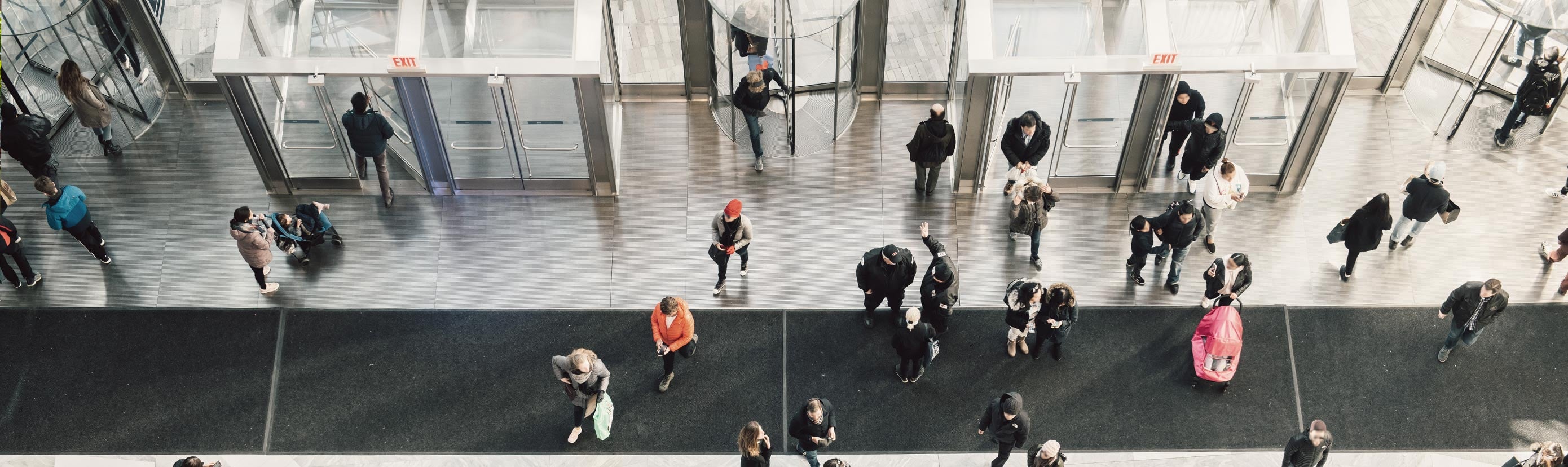
By developing flexible buildings and future-proof areas, we create places that enhance quality of life and foster social cohesion.
Social real estate contributes to neighborhoods and districts
A well-functioning network of facilities such as education, healthcare, sports, and culture form the backbone of a healthy living environment. It largely determines how pleasant, safe, and future-proof a region is. When people have access to places where they can learn, meet, and find support, there is greater social cohesion, and a noticeable increase in quality of life. This is essential for municipalities and area developers: it attracts residents, stimulates economic activity, and strengthens confidence in the area.
Ways to create added value through area development
Spatial investments offer great opportunities to renew social facilities and better align them with current needs. Think of multifunctional buildings that combine education, healthcare, and sports, or the redevelopment of existing locations into recognizable meeting places. Through the smart use of data, collaboration between public and private parties, and flexible building concepts, regions can respond more quickly to demographic changes. This creates future-proof facilities that are sustainable, efficient, and accessible to diverse target groups.