Executive Summary
- Dutch retail parks remain resilient: despite several major bankruptcies, vacancy remains low at 4.4% (below the level of frictional vacancy), with rapid re-leasing.
- The tenant mix is diversifying, driven by growth in sports, fitness, leisure, and convenience concepts.
- Positive market fundamentals supported by limited supply growth due to restrictive land-use policies, combined with increasing demand driven by population growth and record house sales, fueling demand for home-related retail.
- Attractive investment profile with a yield spread of approximately 150–200 basis points, rental growth, and a stable tenant base.
- Strong (international) investor interest, with over €220 million in capital inflows (2024–2026) and an increasing focus on retail park strategies.
Introduction
The recent bankruptcy of Carpetright, along with the acquisitions of Kwantum and Leen Bakker amid financial difficulties, suggests that pressure on retail parks in the Netherlands is intensifying. However, the data tells a different story. Peripheral retail locations – such as city outskirts and sites along highways with home improvement and DIY stores – demonstrate a notably resilient profile.
This report shows how low vacancy rates, rapid re-leasing by new retail segments, and strong market fundamentals contribute to the stability of retail parks as an asset class. It also explores their attractive return characteristics and the growing interest from both domestic and international investors.
Market dynamics of retail parks
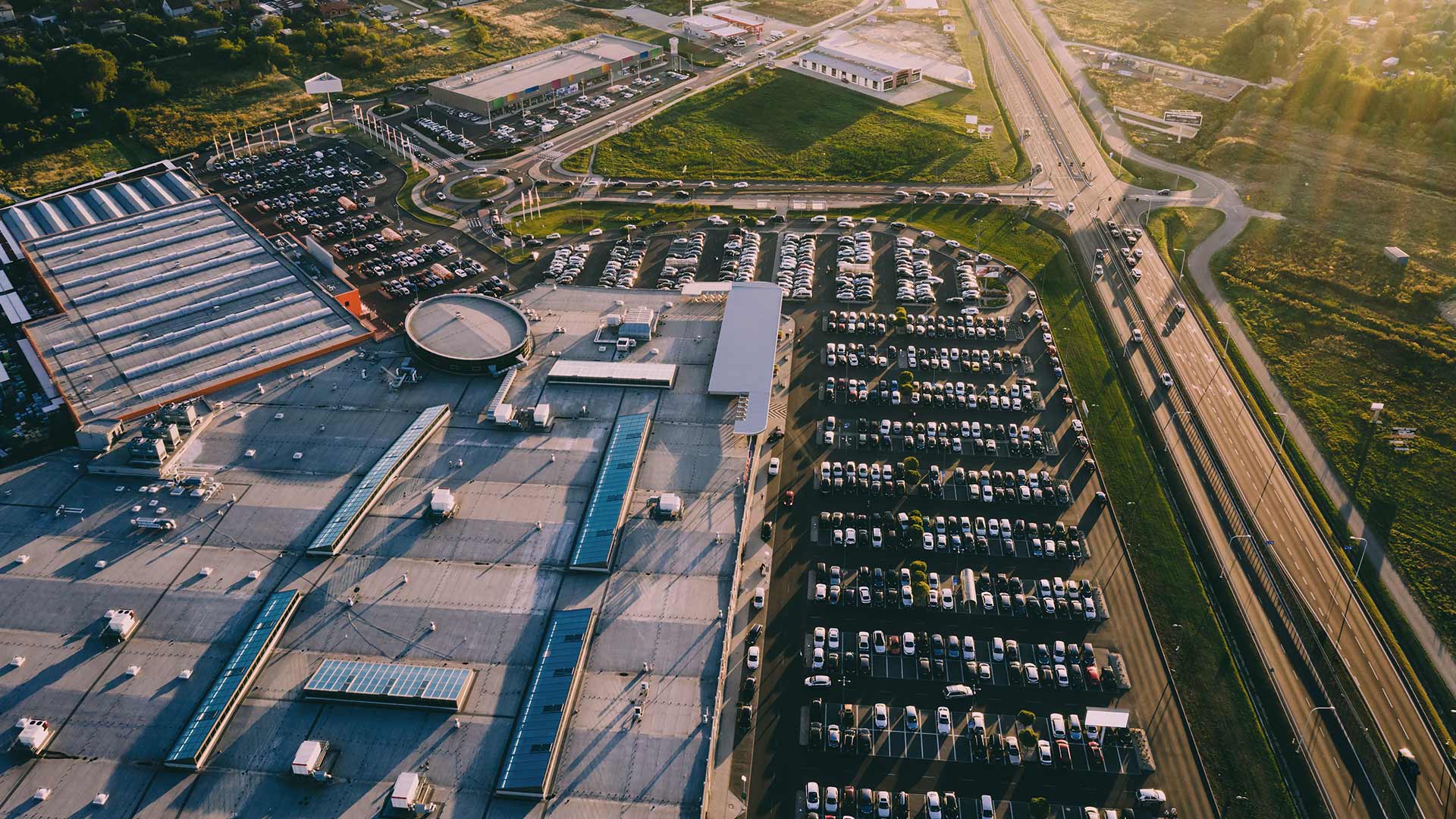
Retail park market dynamics are characterized by structural scarcity, sustained demand for retail space, and a resilient supply base with low vacancy and rapid re-leasing.
An overview of the Dutch retail park landscape
Diverse portfolio, modest share of total retail inventory
Retail parks are far from a uniform category. They account for 11.9% of total retail stock in the Netherlands (by floor area), but this share consists of multiple location types with various usage profiles. The types with the largest share:
- Generic retail parks: a mix of home and DIY stores combined with large-format retail, supplemented by leisure, sports, and fashion concepts
- Home improvement clusters: retail parks with a strong focus on home furnishings, kitchens, bathrooms, and DIY
- Solitary stores: individual retail units, often located on business parks, without a cohesive retail cluster. These may appear as single units, small clusters, or strip retail formats
- Convenience retail parks: retail parks with a strong convenience component, often anchored by a supermarket
Increasing policy flexibility
For many years, peripheral retail supply was constrained by national and regional policies with strict rules on tenant categories and scale. Since the Spatial Planning Memorandum (2006), responsibility has shifted more toward provinces and municipalities, resulting in: • Greater emphasis on substantiation: restrictions are only valid if they are non-discriminatory, necessary, and proportionate, requiring stronger spatial and economic justification • More variation in the market: flexible application of policies leads to a more diverse landscape and blurred boundaries between retail park types • More customization: room for new concepts such as omnichannel retailers (e.g., Coolblue) with click-and-collect locations in peripheral areas.
Total stock per capita has been declining since 2022
Population growth and shrinking retail footprint
Three developments are driving a decline in retail space per capita:
- Declining supply per capita: restrictive land-use policies have led to a slight decline in total supply since 2022, while the population continues to grow. Since 2017, the population has increased by 5% to 17.9 million, reducing retail space per capita.
- Growing demand for home-related retail: approximately 70% of retail park floor space consists of home furnishings and home improvement stores. With a record number of home sales (239,000 in 2025), rising purchasing power, and household growth, the outlook for this segment remains positive.
- Pressure on business climate: rising operating costs and volatile consumer confidence are squeezing margins and driving consolidation. Larger retailers are gaining market share, maintaining demand for space while accelerating changes in the tenant mix.
This trend is reflected in a decline in retail space per capita (Figure 2), alongside increasing retail turnover in this segment (Figure 3).
Curious about the full analysis of retail park market dynamics in the Netherlands?
Tenant mix diversification

With a broadening tenant mix, low vacancy, and limited turnover, retail parks are evolving into a stable and future-proof segment.
Vacancy rates at retail parks are at the level of frictional vacancy
Following a historically low vacancy rate of approximately 3.5% in 2022 (driven by strong consumer spending during the COVID-19 pandemic), vacancy has increased slightly to 4.4%. However, the picture is fragmented.
Despite bankruptcies of Carpetright and Blokker, which left 68 and 18 store units vacant respectively, vacancy in peripheral retail locations remains limited. Available units are typically re-let quickly, and many locations show no vacancy at all. Currently, 73 out of 194 retail park locations have zero vacancy, and 141 remain below frictional levels.
Smaller, outdated, and less competitive locations show relatively higher vacancy. The same applies to some XXL clusters, such as Villa Arena and MegaStores. These high-density locations also present opportunities for redevelopment.
A broader mix of users: less residential, more leisure
The tenant mix in peripheral retail locations is clearly diversifying:
- Leisure: including gyms, climbing halls, and indoor play centers. Floor space in this category has increased by 5.7% over the past five years
- Other retail: bicycle, baby and toy stores grew by 2.3%. Chains such as Babydump are occupying vacated units, including approximately 9,300 m² at CapelleXL
- Discount retailers: such as Scapino, Action, and Takko regularly take over vacant units, including former Bristol and Blokker locations
- Bathroom, tile, and kitchen specialists: a subsegment that deliberately chooses large-scale physical spaces in retail parks despite having a strong online presence
Despite the emergence of new segments, home and DIY concepts remain dominant. At the same time, differentiation within this category is increasing: while chains such as Kwantum and Leen Bakker are under pressure, players like JYSK and IKEA continue to perform strongly thanks to scale, omnichannel strategies, and a robust distribution network – and they still have expansion plans.
Low turnover rate supports stable rental income
Tenant turnover in retail parks remained stable at around 7–9% for over a decade. In 2025, it temporarily increased to 11.5%, driven by the bankruptcy of Carpetright (Figure 6).
Despite this spike, the tenant base remains stable. The top five retail chains in 2026 are still the same as in 2016: Leen Bakker, JYSK, Kwantum, Beter Bed, and Praxis—highlighting the high proportion of established formats and a high degree of chain store development.
Vacant units are also re-leased quickly: of the 68 units vacated since the end of 2025, half were re-let within seven months.
Rents in peripheral retail locations remain stable and are in some cases even higher upon re-leasing, supported by long-term leases in prime locations and rising sales per square meter.
Investing in retail parks

Retail parks offer an attractive investment profile with stable returns, limited volatility, and growing (international) investor interest.
Foreign capital is well represented
Stable value in a niche market
Investment volumes in Dutch retail parks have remained stable at €150–€200 million annually in recent years, representing approximately 10–15% of total retail investment volume. Due to its limited share of the retail landscape, the segment remains relatively scarce, while still seeing large-scale transactions such as:
- AaBe Fabriek (Tilburg) – acquired by Braintown Holding, a transaction with a clear impact on the share of domestic (Dutch) capital in total investment volume, as shown in Figure 7.
- DoeMere (Almere) – sold by Larmag in May 2025 for approximately €47 million (after acquisition in 2019 for €46.1 million)
These transactions demonstrate the appeal of retail parks for both value-add strategies and long-term stable income streams.
Belgian and French capital lead the way
International interest in Dutch retail parks is increasing, particularly from France and Belgium. Compared to other European markets, Dutch retail parks offer an attractive combination of return and stability:
|
|
|
Structural characteristics also contribute to a manageable risk profile:
|
|
|
|
Stable yield trends with limited correction
Prime yields for Dutch retail parks declined from 7.25% in 2014 to 6.0% in 2018 and stabilized at around 6.25% through the end of 2021. Following interest rate increases in 2022, a limited correction of +55 basis points occurred – less volatile than shopping centers (+100 bps) and high streets (+70 bps).
Over the long term:
|
|
|
How do retail park initial yields compare to other real estate sectors?
In Figure 8, we compare this trend with other sectors.
Rental growth supports total returns
Across Europe, retail parks recorded the strongest rental growth of all retail segments in both 2024 and 2025. The Dutch market also provides a solid foundation for further rental growth:
|
|
|
Retail parks in perspective
Dutch retail parks are gaining an increasingly strong position within the real estate market. Growing scarcity, low vacancy, rental growth potential, and a diversifying tenant mix reinforce their return profile and drive increasing interest from both domestic and international investors.
Read the report
Discover data, transactions, and returns for retail parks in the Netherlands in the report.
Retail insights
-
Press Release
Commercial real estate investment volumes continue to grow despite higher interest rates
October 14, 2026
A total of €3.4 billion was invested in Dutch commercial real estate during the third quarter of 2026.
-
Press Release
A consortium of Dutch family offices acquires large-scale residential portfolio in The Hague
July 9, 2026
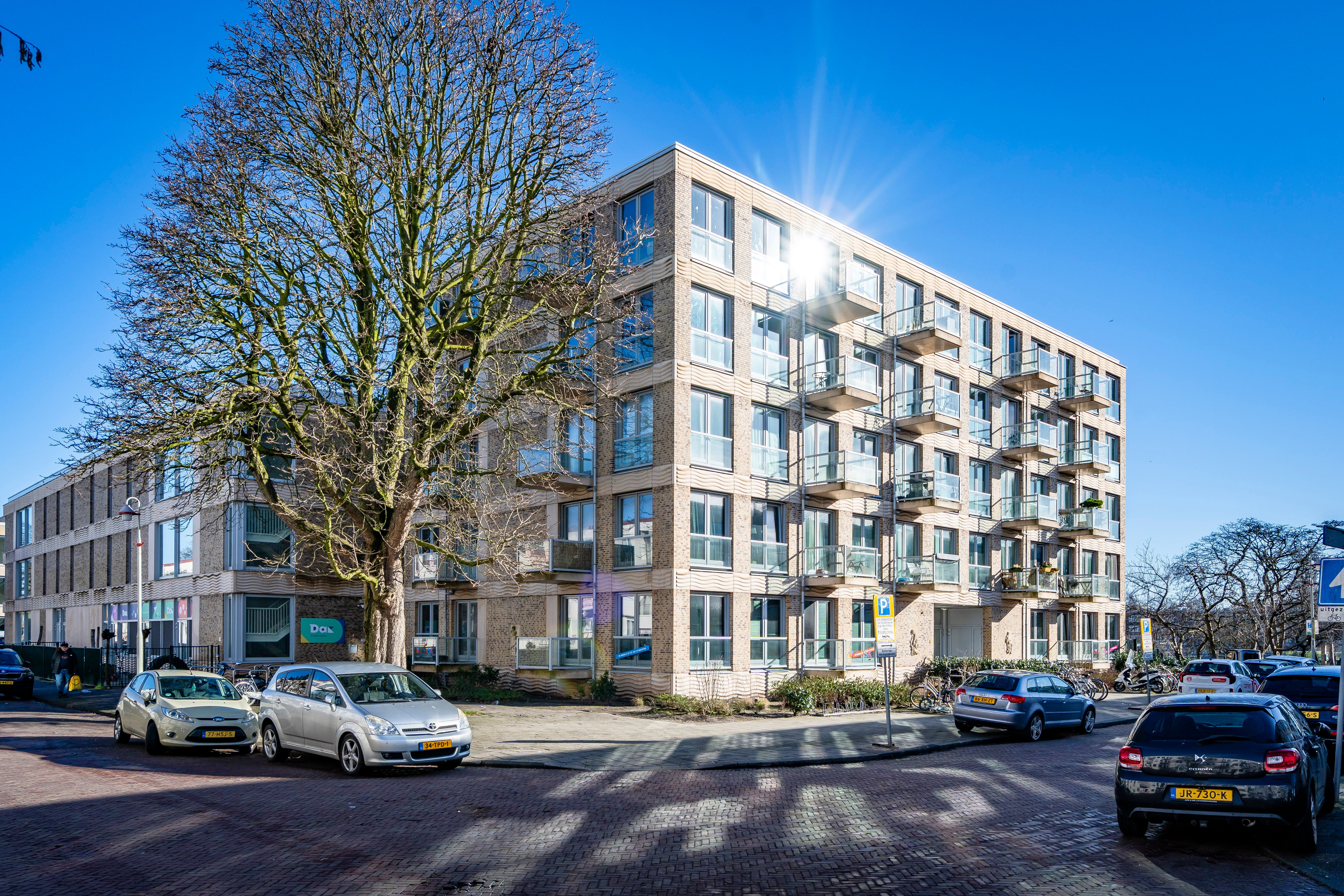
A consortium of Dutch family offices has acquired the Carmel portfolio in The Hague.
-
Press Release | Intelligent Investment
Commercial real estate investment volume records strongest quarter ever
April 14, 2026
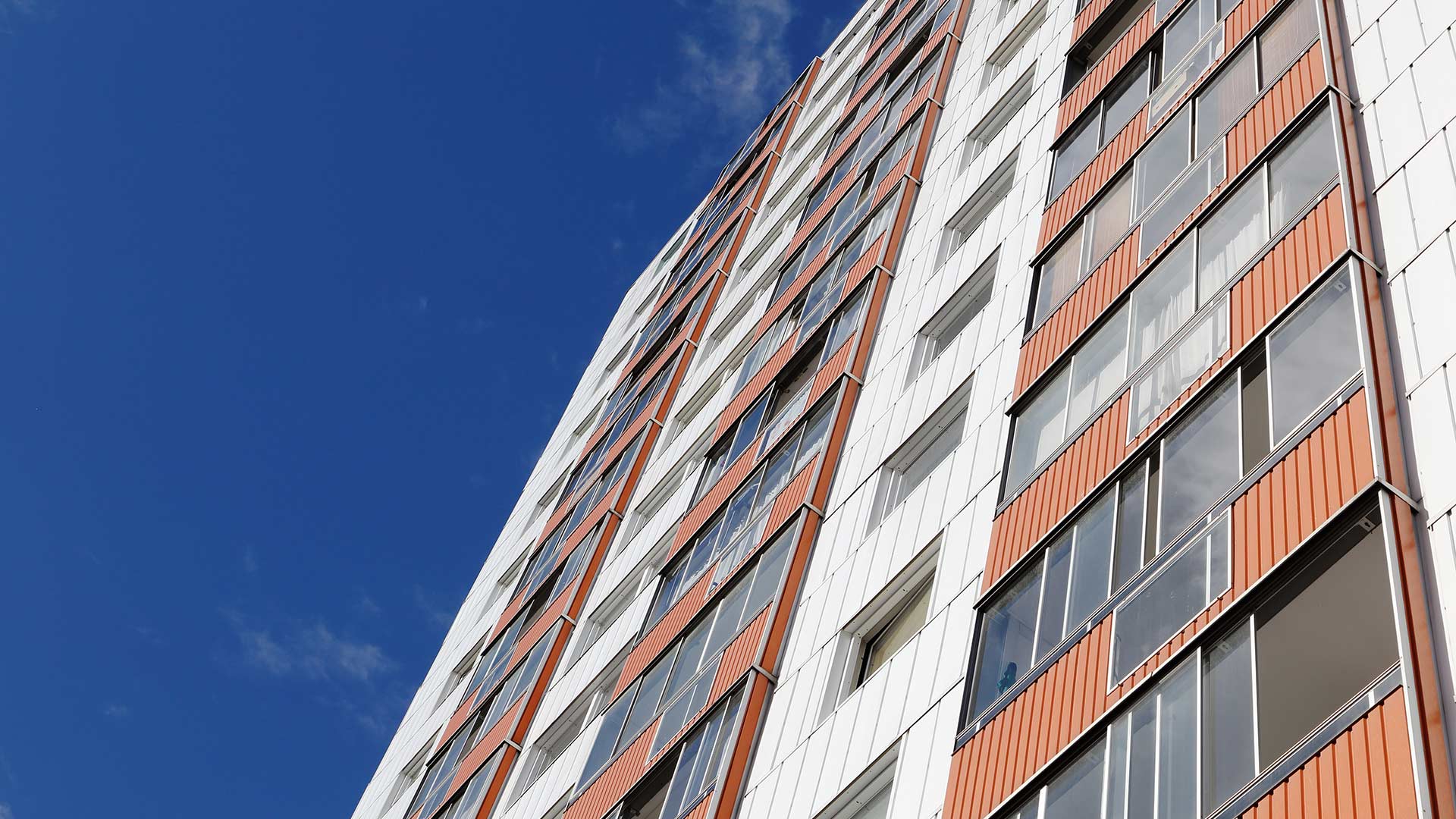
In the first quarter of 2026, €4.1 billion was invested in commercial real estate. This represents a 65% increase compared to last year.
-
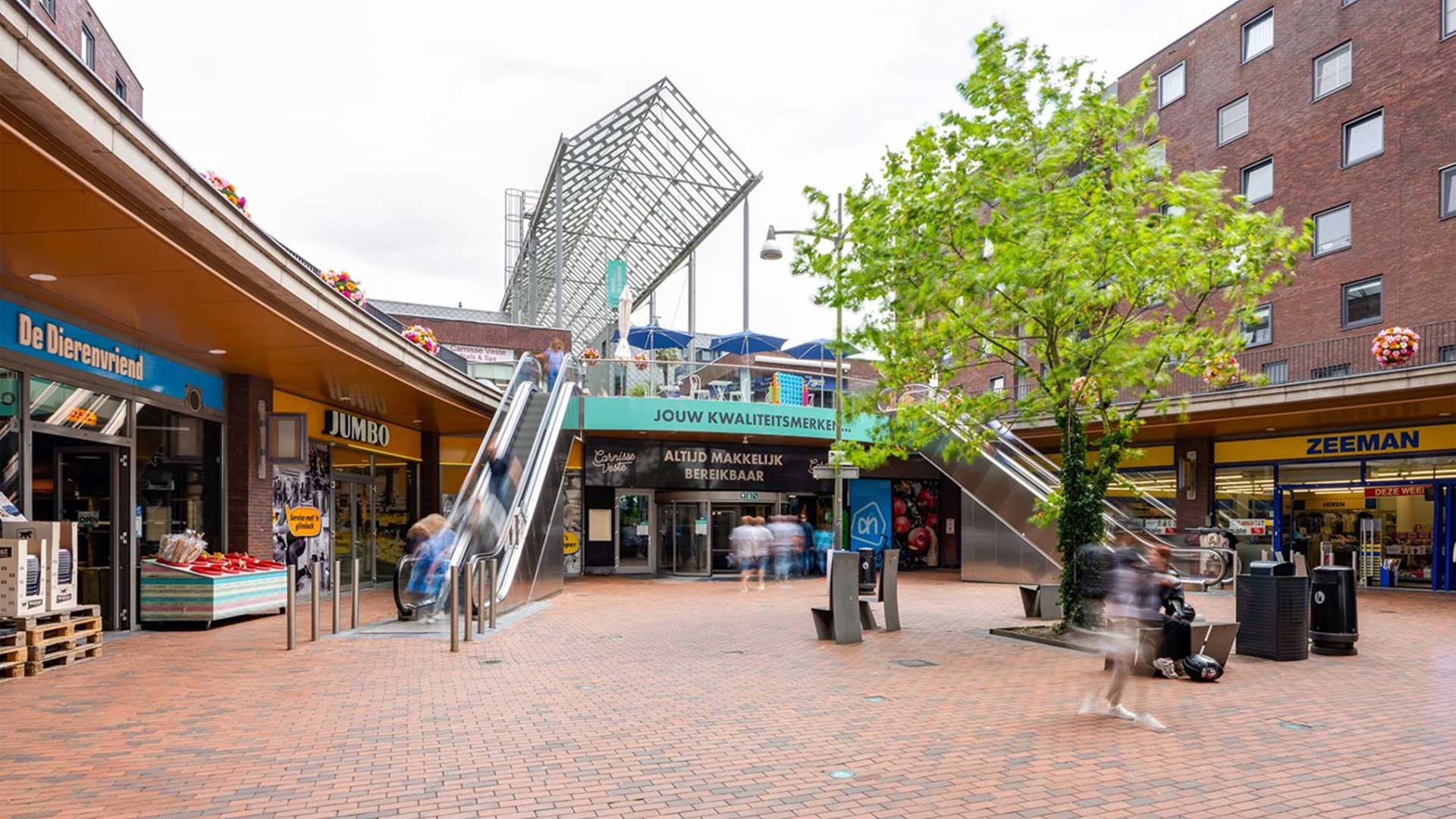
The fully leased shopping centre comprises approximately 15,300 m² and is fully let. The delivery took place on March 13, 2026.
-
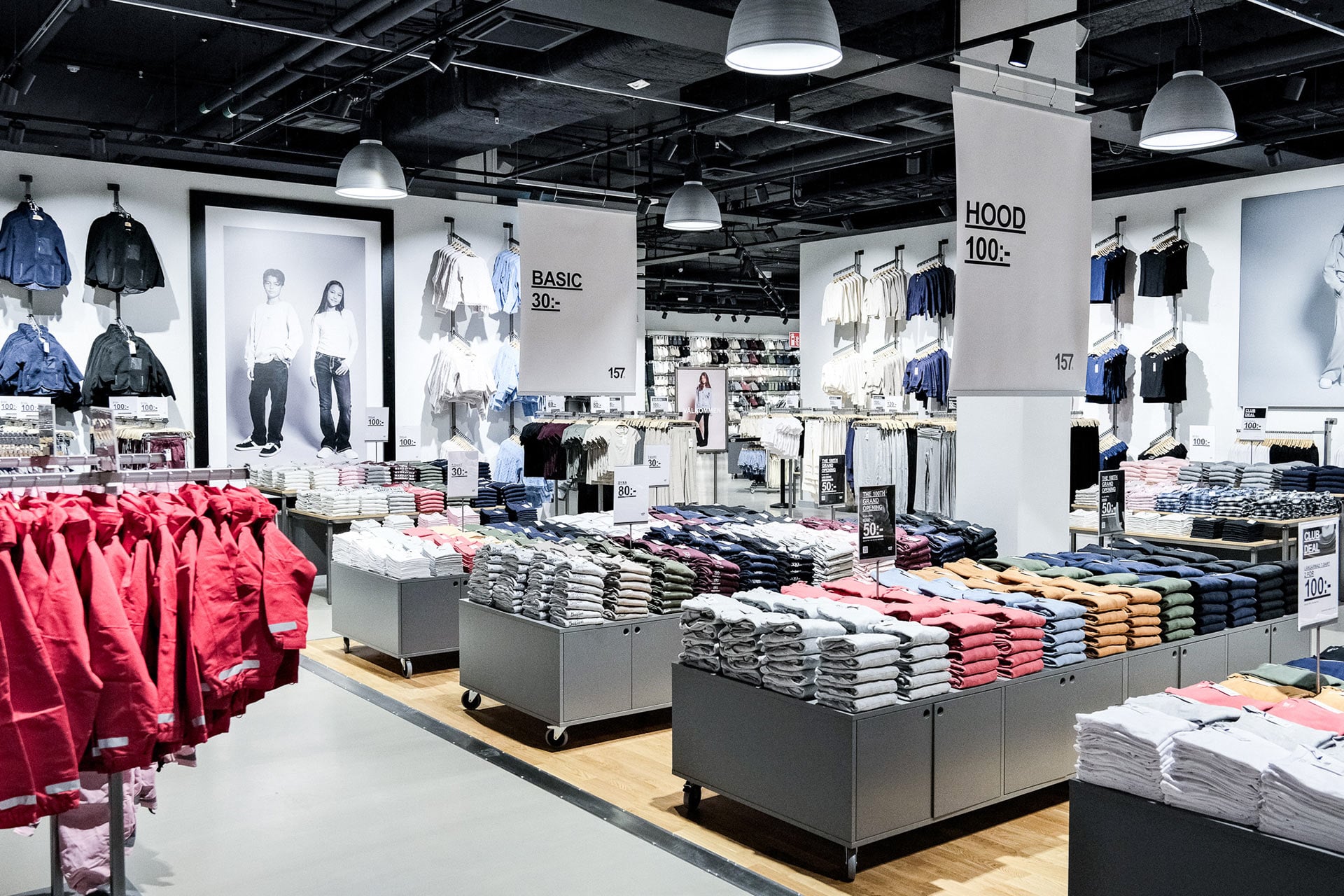
Swedish fashion retailer Lager 157 is opening its first flagship store in the Netherlands at Grote Marktstraat 35 in the centre of The Hague.
-
Press Release | Intelligent Investment
Commercial real estate investment volume grows by 15% in 2025
January 22, 2026
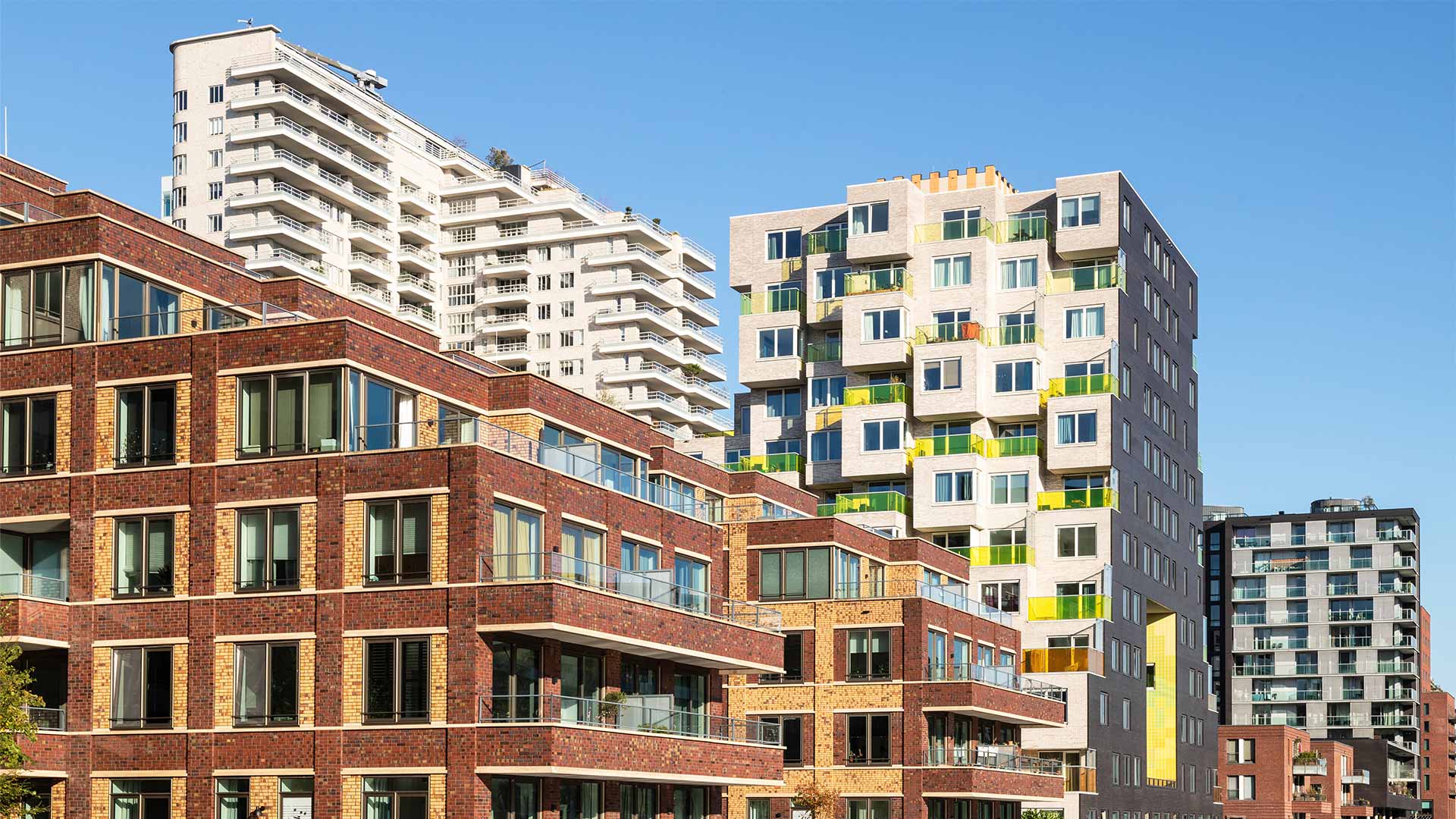
Investment volume of €13 billion in commercial real estate mainly driven by domestic capital
-
Press Release | Intelligent Investment
Commercial real estate volume continues to rise
October 14, 2025
In the third quarter of 2025, €2.9 billion was invested in commercial real estate. An increase of more than 4% compared to last year.
-
Press Release
Bouwinvest Residential Fund acquires 612 student and young professionals homes in Rotterdam
October 10, 2025

The mixed-use complex at Gapersteeg in central Rotterdam, directly opposite Blaak Station, comprises 612 student studios and apartments for young professionals as well as 454 m² of commercial space.